

Category: Novel

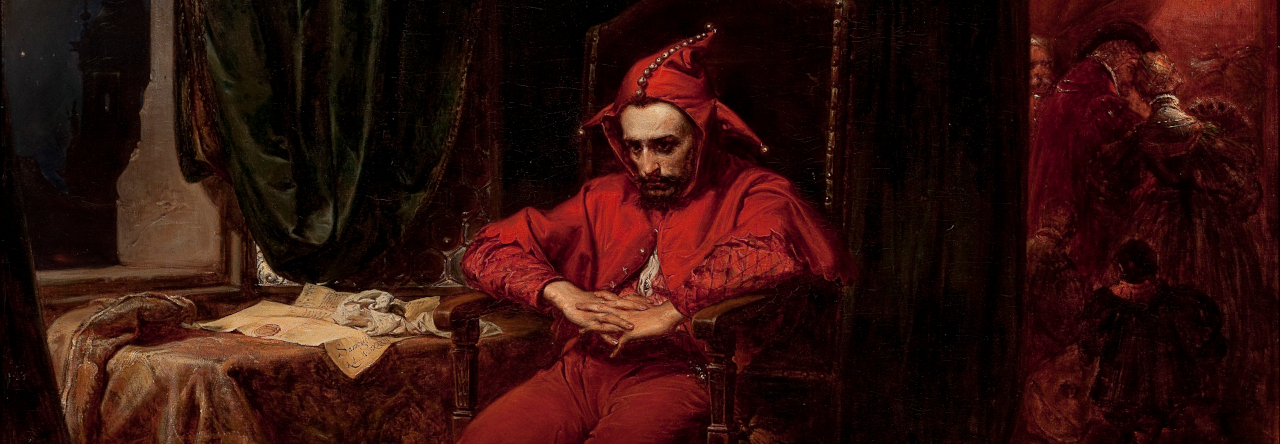
Two post-docs at the end of their school days journey into Hell to try and bring back the soul of their mentor, Professor Jacob Grimes. Along the way, they discuss paradoxes, depictions of Hell, the many sufferings of grad school, their personal failings, and the many different ways great people can have failed legacies. It works best when it is smart and funny (and alas Kuang abandons this combination for a fair chunk of the novel’s center) and seems a quite important book, just one as flawed as the book’s characters.

A nunsploitation horror that belts out several gross notes and moments of fairly extreme cruelty but which still manages to tell an engaging story. Only for those who are ok with the harder edge of horror, but when it hits it hits.

Chugong’s Solo Leveling is an unabashed power-scaling fantasy romp where the narrative borrows heavily from videogames and RPGs. If that floats your boat, then you might really enjoy this.
Nevill hits all the right notes in one of the best paced and balanced books of his long and (hah, pun!) storied writing career. While already a fan, this story of kayakers caught up in the tail-end of a much broader horror tale has helped to rekindle a spark. Too bad I’ve read pretty much everything by him, eh?

Jeff Long’s The Descent is a hefty novel overfull of plot and characters, many elements that are simply too underdeveloped to stand up to their own weight. Still, throughout its labyrinthine plotlines and setting, there are many elements that make it an interesting read.
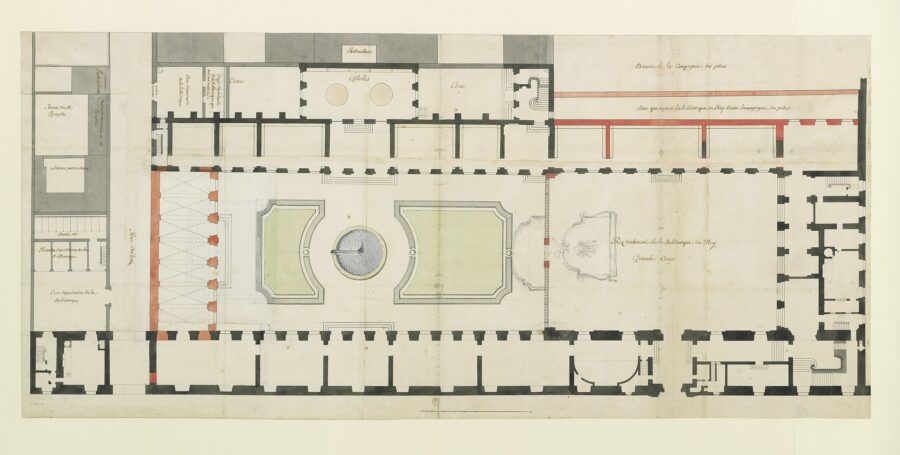
Though published before Strange Pictures, this novel has been released as something like a spiritual successor to its follow-up in the English-reading world. Jim Rion does another great job of translating Uketsu’s work. This time, it follows a mystery that begins with discussing strange aspects of a house’s floor plan and then grows from there, culminating in a decently creepy story though the author (and translator) have left purposeful gaps in knowledge. It initially argues its central mystery from first principles and architectural drawings – i.e., how oddities in a floor plan might be linked to murder without any other proof besides a sort of Socratic debate. The abstract nature of the first half combined with the much more definite – and darker – nature of the second half might turn off some readers, but fans of Japanese mysteries, architecturally-themed mysteries, and mysteries that try something a bit unique: it should satisfy.